.png)


How Real Program Work Informs My Approach To Grant Writing
What Working Inside Nonprofit Programs Taught Me About Writing Grants That Reflect Real Work, Real People, And Real Impact

“Do you want to train a workshop for a group of middle school girls?” Mary asked me.
“We need our best trainers to come teach this workshop in Dallas. It’s a technology game workshop, and we thought of you!”
Of course, how could I say no? After teaching my very first coding program with this specific nonprofit while working as an Instructional Technology Specialist in a school district, the opportunity to run a workshop where students could learn the basics of hardware and software and build their own game board was exciting.
Plus, I couldn’t wait to work with students again.
“Yes, of course. I’d love to go!”
And with that, I hopped in my car and took off down the highway to Dallas, weaving my way through downtown traffic and into the parking garage of the Santander Tower. I wondered what the next day would look like. No matter what happened, I couldn’t wait to see the students’ excited, smiling faces.
To my surprise, the workshop was hosted in an enormous conference room. I walked to the front and looked out the window, noticing way down below the back of the iconic eyeball statue, all around, and white with red veins. To the left, right, and front were projector screens, a podium, and microphones. Thankfully, I wasn’t training alone; another trainer from Houston had arrived. Wow, I thought, this was a few steps up from my humble classroom back in Pecos.
Volunteers and employees began setting up tables and unpacking supplies, packing free backpacks with laptops and other resources for students to take home. Chairs were arranged for students working in pairs and for technology mentors, men and women working in tech, who would guide students through the workshop and answer questions about tech careers. Then came the executives, oh, and professional-looking cameras, and finally a lady who handed me an agenda I hadn’t seen before the event…I think that's the nonprofit’s CEO.

Okay, so this was a bit more than I expected. Deep breath, Katie, you’ve got this! You’re here for the kids.
Then it happened. A large group of students came pouring in, not just middle school girls, but plenty of boys and girls as well, filling the entire room.
It was go time! Time to greet everyone and play icebreaker games before settling into the workshop. After a few minutes, once everyone was seated, the cameras rolled as we introduced students to Makey Makeys (hardware!), Scratch coding (software), and how to create their very own frustration game. The whole room was bursting with energy and excitement. Before long, students were holding wire hoops atop popsicle sticks, carefully guiding them through foil mazes taped to cardboard towers. Touch the foil, and the monkey on the computer would gasp. Score too many points, and you’d lose.
At the end of the event, the technology mentors spoke, the CEO gave her speech, and everyone gathered around for photos. A man in a suit presented a game-show-style check from Santander to the nonprofit, which would fund programs like this one to be implemented in schools across Dallas, allowing more students to learn and receive free computers. Suddenly, I understood the workshop's point more clearly. Yes, it was about helping kids, but it was also about showing what this organization was doing for kids every single day, and showing how one experience could open doors to semester-long after-school programs, allowing even more students to benefit.
The students, full of excitement and clutching their new backpacks, ran back to the buses. The room cleared, and we were left in the aftermath of the day. Tables to clean, supplies to pack away, and the what just happened!? feeling of wow, that was a long, fast, exciting, and emotional day.
I can’t help but think that programs like these, and the stories that come from them, really do change lives. A student realizes a laptop is actually all theirs, that pause before they say, “wait, is this really mine? I don’t have to share, I can use it for whatever I want?!” Something as simple as giving away a laptop can lead a student to decide to take more coding or robotics classes. That small moment changes everything. When a student can take their learning home, the program doesn't simply end by the designated time, but continues in that student's life. That is what funding makes possible.
Even in 2026, many people still lack access to computers and the education needed to use them, whether that’s learning how to use Google Workspace for work or coding a game of their own. Having a computer at home means access to homework, applications, and creative exploration. Participation in the world. It means the joy of realizing, This is for me too.
Those transformations are priceless. But the supplies, staff, computers, snacks, and resources required to run programs are not. And I know that every non-profit has important work they do and stories of real transformations, where funding even one additional program can lead to serving 20, 30, 50, or even 100 more community members. Service is why we are drawn to this work, but we cannot serve without the resources to support it.
As fun and exciting as program work can be, it is also demanding. And for someone like me, a quiet introvert, a deep thinker who needs space to reflect yet still wants to make a difference, I began to feel called toward a different path.
After leaving Dallas, I returned home to my job at the school. At the same time, I was working on my website and preparing to freelance, hoping to transition out of education and into writing full-time. Then, at the end of the year, Mary approached me again.
“Katie! We have a job opening in programs. We’re growing our team and would love for you to join us as a program manager.”
Holy Balogne, okay, maybe this is my chance to make more of an impact, and more is what I did. From there, I took off, starting programs in schools, libraries, and
Boys & Girls Clubs across the Permian Basin, California, and the Midwest. As important as this work was, I must admit I lost myself. I thought I could do both, but I couldn’t write anymore. I was pouring from an empty cup. Long days and nights spent in airports between programs, an endless schedule with no breaks, my mind was always wrapped up in something.
Then I remembered wise words an old mentor once spoke to me: “We all have different bus seats. Mine wasn’t in the classroom but in administration. We’re all going to the same place, working toward the same goals, and doing great things for kids.”
I realized that what mattered most to me was making an impact, and that impact could take different forms. That we were all moving together. The work mattered more than the role itself, and everyone has a seat they are uniquely suited for.
So I decided it was time to follow my calling to write while still making a difference. In many ways, I learned that writing could be a form of service.

My journey had led me from Pecos to Abilene; from education to writing, into nonprofit work, and back to writing again through many ups and downs, yet eventually my path guided me to Fire Cycle and the one and only Christine Curtis-Carr. To believe in you. Through community support and mentorship, I learned to believe in myself, too. I found my bus seat and discovered I was quite good at writing grants.
After all, when the development team needed impact stories, I had dozens. Writing about people’s stories and transformations came naturally because I had been there in the classroom, in direct service. I realized that I wasn’t starting over; I was using my gift to translate the work into written words. Years spent inside programs taught me how impact unfolds in real life, how it feels, adding depth beyond numbers in a report. Although reports are very important and much needed too. They complement each other like good food and service.
Returning to writing and reconnecting with my purpose allowed me to continue serving in a new, aligned way. I could support programs by helping secure the resources they need to exist and still find time to volunteer, because after all, I’m not a complete hermit!
What my journey has taught me is a deeper understanding of the work that goes into projects and programs, the way that lives are changed, and the joy and amazement. That these things are real, and for me, it's more than writing; it's putting words to everyday work that helps to sustain essential programs and continue service to the community. To be that change in the world, it all moves forward together. Grant writing is where lived experiences become sustainable, where stories shaped inside of programs secure the resources that allow them to live on, even after they end.

ABOUT KATIE CANO:
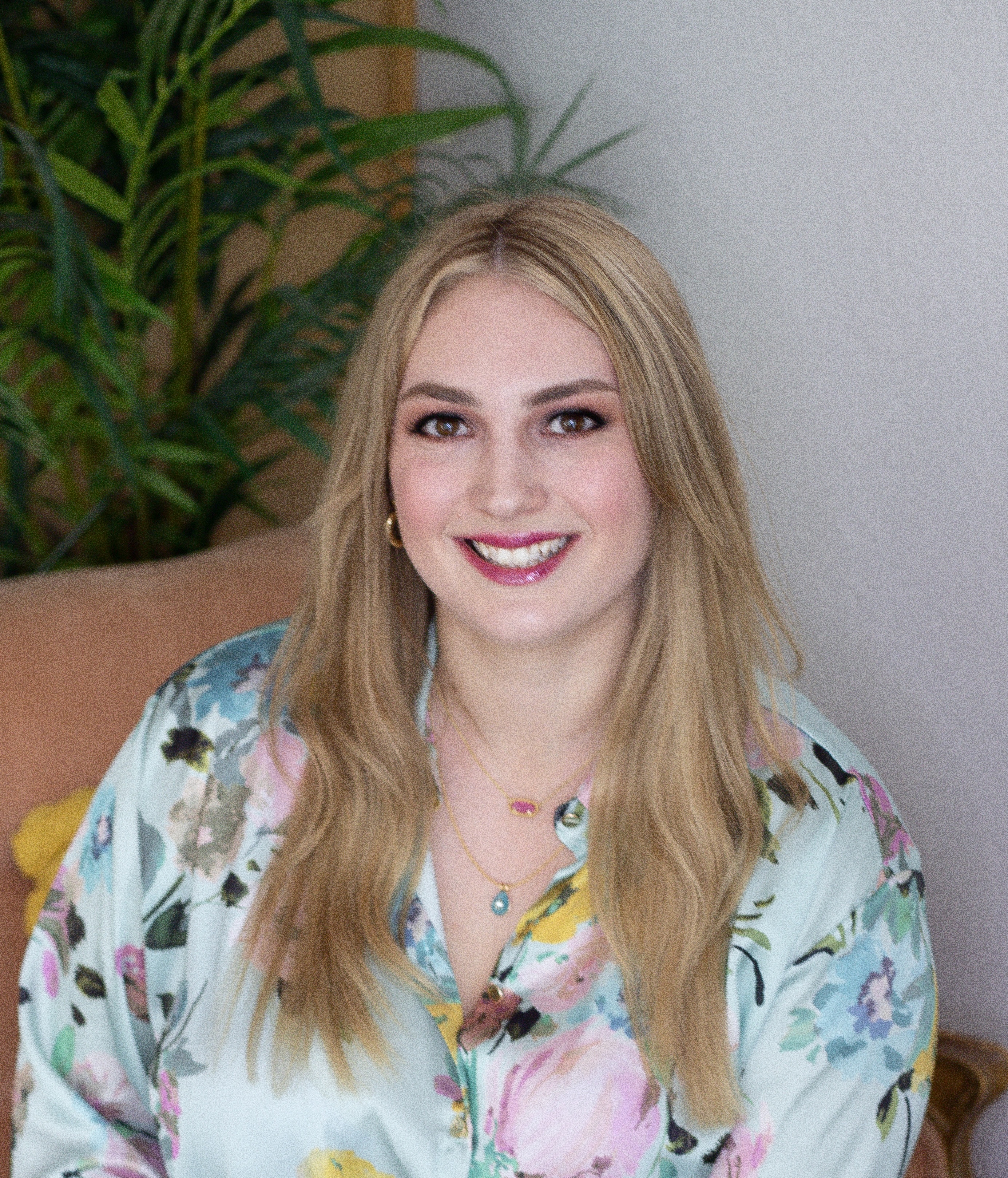
Katie is a grant writer and editor who helps grant consultants, including Curtis-Carr Consulting, translate real program work into clear, compelling grant narratives. She holds a B.S. in Psychology and an M.S. in Industrial/Organizational Psychology and has worked as an instructional technology specialist and national program manager within K–12 schools and nonprofit programs. Her work is shaped by lived experience, a background in psychology, and a genuine care for telling people’s stories well. She is also the author of 10 Self-Love Letters for Tough Days.
Get to know Katie and her work at https://katiescontentwriting.com


Comments